
Essential Tips for Preparing Your Home and Family for Prolonged Freezing Temperatures
Freezing temperatures that last for days or weeks can create serious challenges for your home and family. Without proper preparation, you risk frozen pipes, power outages, and health hazards. Taking the right steps before the cold hits can protect your property and keep your loved ones safe and comfortable. This guide offers practical advice to help you prepare effectively for prolonged freezing weather.

Protect Your Plumbing from Freezing
Frozen pipes are one of the most common and costly problems during extended cold spells. Water inside pipes can freeze, expand, and cause pipes to burst, leading to flooding and expensive repairs.
Insulate exposed pipes in basements, crawl spaces, attics, and garages using foam pipe insulation or heat tape.
Seal leaks and cracks around pipes where cold air can enter your home.
Let faucets drip slowly during extreme cold to keep water moving and reduce freezing risk.
Open cabinet doors under sinks to allow warmer air to circulate around plumbing.
Know how to shut off your water supply quickly in case a pipe bursts.
Taking these steps early can prevent damage and costly repairs.
Prepare Your Heating System and Home Insulation
Keeping your home warm during freezing temperatures is critical for comfort and safety.
Have your heating system serviced by a professional before winter arrives to ensure it runs efficiently.
Check and replace furnace filters regularly to improve airflow.
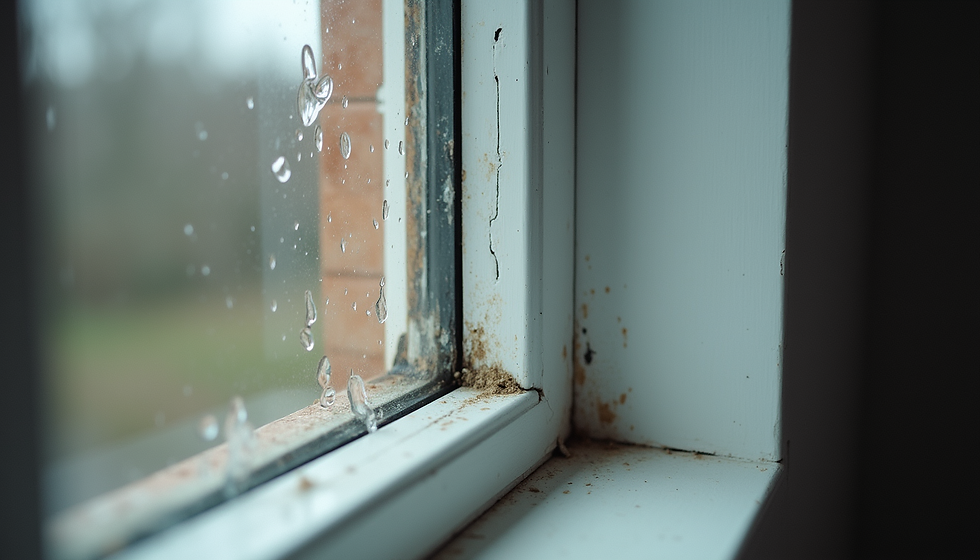
Seal drafts around windows and doors with weatherstripping or caulk to keep cold air out.
Add insulation to attics, basements, and walls if possible to retain heat.
Use heavy curtains to reduce heat loss through windows at night.
Keep a backup heating source like a wood stove or portable heater, but follow safety guidelines carefully.
Good insulation and a reliable heating system reduce energy costs and keep your home cozy.
Stock Up on Emergency Supplies
Power outages and limited travel during freezing weather can leave you without essentials.
Store enough food and water for at least three days. Choose non-perishable items like canned goods, dried fruits, nuts, and bottled water.
Keep a supply of batteries, flashlights, and candles for light during outages.
Have a battery-powered or hand-crank radio to stay updated on weather alerts.
Prepare warm clothing and blankets for everyone in the household.
Keep a first aid kit stocked and accessible.
Charge mobile devices and have portable chargers ready.
Planning ahead ensures you can manage if you lose power or cannot leave your home.
Protect Your Vehicles and Outdoor Equipment
Freezing temperatures can affect your vehicles and outdoor systems.
Keep your gas tank at least half full to avoid fuel line freeze-up.
Use winter-grade oil and antifreeze in your car.
Check tire pressure regularly since cold air reduces pressure.
Store outdoor hoses indoors and drain sprinkler systems to prevent pipe damage.
Cover or bring in outdoor furniture and grills to protect them from snow and ice.
Proper vehicle and equipment care prevents breakdowns and damage.
Keep Your Family Safe and Healthy
Cold weather increases risks of hypothermia, frostbite, and accidents.
Dress in layers with moisture-wicking and insulated clothing.
Limit time outdoors during extreme cold and wind.
Keep pets indoors or provide adequate shelter and warmth.
Use space heaters safely by keeping them away from flammable materials and never leaving them unattended.
Check on elderly or vulnerable neighbors who may need help.
Being mindful of health and safety helps everyone stay well during freezing conditions.
Plan for Communication and Emergency Situations
Staying connected and having a plan can make a big difference.
Create a family emergency plan that includes meeting places and contact information.
Keep a list of emergency numbers handy.
Inform family members about the plan and practice it.
Have cash on hand since ATMs and credit card machines may not work during outages.
Know the location of warming centers or shelters in your area.
Preparation reduces stress and improves your ability to respond to emergencies.

Comments