
Exploring the Growth of Liberty Hill: A 5-Year Review
Liberty Hill has experienced remarkable changes over the past five years. Once a quiet town, it has transformed into a thriving community with expanding infrastructure, growing population, and new opportunities. This post takes a detailed look at the key factors behind Liberty Hill’s growth, highlighting the changes that have shaped the city and what residents and visitors can expect moving forward.
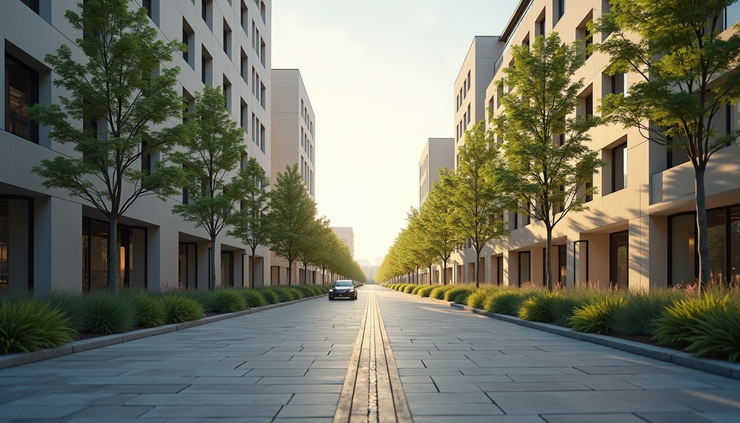
Population Growth and Demographic Changes
One of the most visible signs of Liberty Hill’s growth is its increasing population. Over the last five years, the city’s population has grown by approximately 35%. This surge is driven by several factors:
Increased housing developments: New residential neighborhoods have been built to accommodate families and young professionals moving into the area.
Attractiveness to commuters: Liberty Hill’s location near major highways makes it a convenient choice for people working in nearby cities but seeking a quieter lifestyle.
Diverse age groups: The city now hosts a mix of young families, retirees, and working-age adults, creating a balanced community.
This demographic shift has brought new energy to the city, fueling demand for services, schools, and recreational facilities.
Expansion of Infrastructure and Public Services
To support the growing population, Liberty Hill has invested heavily in infrastructure improvements. Key projects include:
Road upgrades and new routes: Several roads have been widened or newly constructed to ease traffic congestion and improve connectivity.
Water and sewage systems: The city expanded its water treatment and sewage facilities to meet the needs of new neighborhoods.
Public safety enhancements: Additional police and fire stations have been established, improving emergency response times.
These upgrades have made daily life more convenient and safer for residents, while also attracting new businesses.
Economic Development and Job Opportunities
Liberty Hill’s economy has diversified significantly in recent years. The city has moved beyond its traditional industries and embraced new sectors:
Retail and dining: New shopping centers and restaurants have opened, providing local jobs and attracting visitors.
Small business growth: The city supports entrepreneurs with resources and incentives, leading to a rise in startups and local services.
Light manufacturing and tech: Some light industrial and technology companies have set up operations, creating skilled job opportunities.
This economic expansion has reduced the need for residents to commute long distances for work, strengthening the local economy.
Education and Community Facilities
Education has been a priority as the city grows. Liberty Hill has made strides in improving schools and community resources:
New schools and expansions: Several new schools have opened, and existing ones have expanded to handle more students.
Community centers and parks: The city has developed new recreational spaces, including parks, sports fields, and community centers.
Library and cultural programs: Investments in the public library and cultural events have enriched community life.
These developments support families and foster a sense of belonging among residents.
Housing Market Trends
The housing market in Liberty Hill reflects its growth story. Over the past five years:
New subdivisions have introduced a variety of housing options, from single-family homes to townhouses.
Home prices have risen steadily but remain affordable compared to larger nearby cities.
Rental market has expanded, offering alternatives for those not ready to buy.
This variety helps accommodate different income levels and lifestyles, making Liberty Hill accessible to a broad range of people.
Environmental and Green Initiatives
As the city grows, it has also focused on sustainability:
Green spaces have been preserved and expanded to provide residents with natural areas.
Energy-efficient building codes encourage developers to use sustainable materials and designs.
Community recycling programs have increased participation and waste reduction.
These efforts aim to balance growth with environmental responsibility.
Transportation Developments
Transportation options have improved to keep pace with the city’s expansion:
Public transit options have been introduced or expanded, including shuttle services connecting key areas.
Bike lanes and walking paths have been added to promote alternative transportation.
Traffic management systems help reduce congestion during peak hours.
These changes make it easier for residents to move around and reduce reliance on personal vehicles.
Challenges and Future Outlook
Growth brings challenges, and Liberty Hill faces some as it continues to expand:
Maintaining infrastructure to keep up with demand requires ongoing investment.
Balancing development with community character is important to many residents.
Ensuring affordable housing remains available amid rising prices.
City leaders and community members are actively working on plans to address these issues. The outlook remains positive, with a focus on sustainable, inclusive growth.


Comments