
Hidden Dangers in Your Crawlspace What Problems Could Be Lurking Below
A crawlspace might seem like a harmless, out-of-sight part of your home, but it can hide serious problems that affect your house’s safety, comfort, and value. Many homeowners overlook this area until issues become obvious and costly. Understanding what kinds of problems can be hiding in a crawlspace helps you take action early and protect your home.

Moisture and Water Damage
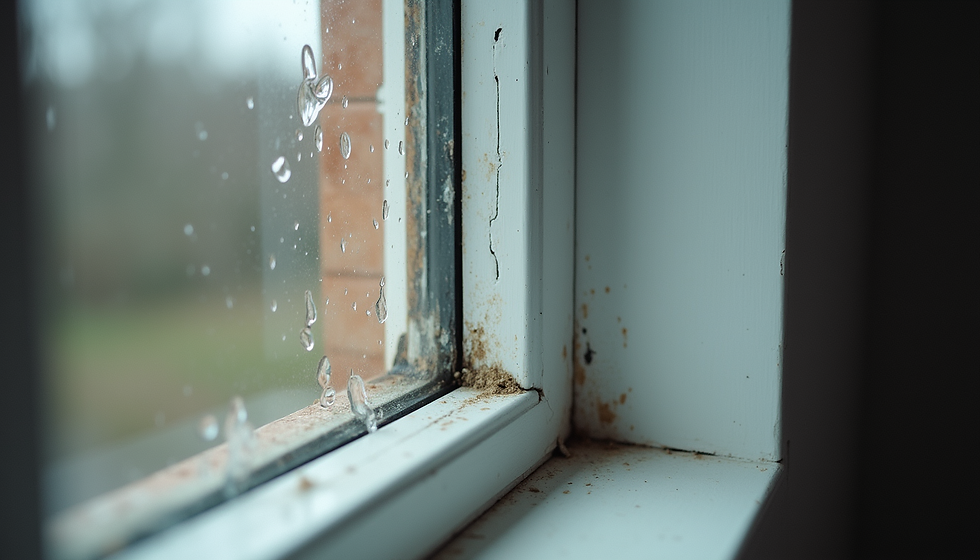
One of the most common problems in crawlspaces is moisture buildup. Crawlspaces often have poor ventilation and can collect water from rain, groundwater, or plumbing leaks. Excess moisture creates an environment where wood rots and metal rusts, weakening your home’s structure.
Signs of moisture problems include:
Musty odors near floor vents or inside the house
Visible mold or mildew on wood or insulation
Warped or soft floorboards above the crawlspace
Standing water or damp soil under the house
Moisture also encourages pests and can lead to higher energy bills because damp air makes heating and cooling less efficient. Installing a vapor barrier on the crawlspace floor and improving drainage around your home can reduce moisture risks.
Pest Infestations
Crawlspaces provide shelter for many pests that can damage your home or create health hazards. Rodents, termites, ants, and spiders often take refuge in crawlspaces because they are dark, quiet, and protected from weather.
Termites are especially dangerous because they feed on wood and can cause serious structural damage before you notice. Rodents chew on wiring, insulation, and wood, which can lead to fire hazards and costly repairs.
Look for these signs of pests:
Droppings or nests in the crawlspace
Chewed wood or insulation
Mud tubes on foundation walls (termite indicator)
Scratching or scurrying noises under the floor
Regular inspections and pest control treatments help keep these unwanted guests away.
Poor Air Quality and Health Risks
Air from the crawlspace can enter your living spaces through gaps and vents, affecting indoor air quality. If the crawlspace contains mold, dust, or pest droppings, these contaminants can circulate inside your home, causing allergies, asthma, or other respiratory problems.
Radon gas, a naturally occurring radioactive gas, can also accumulate in crawlspaces and seep into the house. Radon exposure is linked to lung cancer, so testing your crawlspace for radon is a wise safety step.
Sealing crawlspace vents and installing a dehumidifier or ventilation system can improve air quality and reduce health risks.
Structural Issues and Foundation Problems
Crawlspaces support your home’s foundation, so problems here can lead to serious structural damage. Moisture and pests can weaken wooden beams and joists, causing sagging floors or cracks in walls.
Soil movement under the crawlspace can also cause foundation shifts. This might result from poor drainage, tree roots, or natural settling. Signs of foundation problems include:
Cracks in foundation walls or floors
Doors and windows that stick or don’t close properly
Uneven or sloping floors
Addressing foundation issues early prevents costly repairs and keeps your home safe.

Electrical and Plumbing Concerns
Crawlspaces often contain electrical wiring and plumbing pipes. Moisture and pests can damage these systems, leading to safety hazards or leaks.
Exposed wiring in a damp crawlspace risks short circuits or fires. Plumbing leaks under the house can go unnoticed for months, causing water damage and mold growth.
Regular crawlspace inspections should include checking electrical connections and plumbing for signs of wear, corrosion, or leaks.
How to Protect Your Crawlspace
Taking care of your crawlspace protects your entire home. Here are practical steps to keep it in good condition:
Schedule professional inspections every few years
Install a vapor barrier to control moisture
Improve drainage around your home’s foundation
Seal vents and gaps to prevent pest entry
Test for radon and install mitigation if needed
Repair damaged wood, insulation, and wiring promptly
By staying proactive, you avoid expensive repairs and maintain a healthier living environment.

Comments