
Understanding the Crucial Role of Pre-Purchase Termite and Wood-Destroying Insect Inspections
When buying a home, many buyers focus on location, price, and aesthetics. Yet, one critical step often overlooked is the pre-purchase termite and wood-destroying insect inspection. This inspection can save buyers from costly repairs and unexpected damage. Termites and other wood-destroying insects silently weaken a home’s structure, sometimes causing damage that is not visible to the untrained eye. Understanding why this inspection matters will help you make a confident, informed decision when purchasing a property.

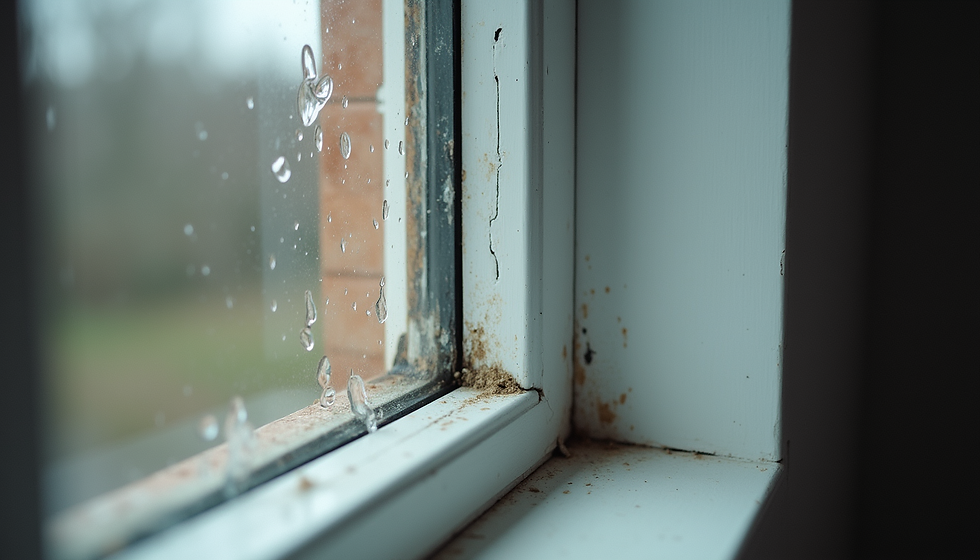
Close-up view of termite damage on a wooden house foundation
Why Termite and Wood-Destroying Insect Inspections Matter
Termites and wood-destroying insects cause billions of dollars in property damage annually worldwide. These pests feed on cellulose found in wood, paper, and other plant materials, gradually compromising the structural integrity of homes. Without a thorough inspection, this damage can go unnoticed until it becomes severe.
Hidden Damage: Termites often work behind walls, under floors, and inside wooden beams, making their presence difficult to detect without professional tools and expertise.
Costly Repairs: Repairing termite damage can cost thousands of dollars, sometimes exceeding the home’s purchase price.
Safety Risks: Structural damage can lead to weakened floors, walls, and ceilings, posing safety hazards to occupants.
Negotiation Power: A termite inspection report can provide leverage to negotiate repairs or price reductions with the seller.
What Does a Pre-Purchase Termite Inspection Involve?
A professional termite inspector conducts a detailed examination of the property, focusing on areas where termites and wood-destroying insects are most likely to be found.
Visual Inspection: The inspector checks accessible areas such as crawl spaces, basements, attics, and around the foundation for signs of infestation.
Use of Tools: Tools like moisture meters, probes, and sometimes infrared cameras help detect hidden damage.
Identification of Damage: The inspector looks for mud tubes, hollow-sounding wood, discarded wings, and frass (termite droppings).
Report Preparation: After the inspection, a detailed report outlines findings, including the presence of active infestations or past damage, and recommendations for treatment or repairs.
Common Wood-Destroying Insects Besides Termites
While termites are the most notorious, other insects also cause wood damage:
Carpenter Ants: These ants do not eat wood but hollow it out to build nests, weakening the structure.
Wood Borers: Beetle larvae tunnel through wood, causing damage over time.
Powderpost Beetles: These insects reduce wood to a fine powder, often unnoticed until damage is extensive.
Knowing the type of insect involved helps determine the best treatment and prevention methods.
How Termite Damage Affects Home Value
Termite and wood-destroying insect damage directly impacts a home’s market value. Buyers are less likely to pay full price for a property with known infestations or damage. Even if the damage is repaired, the stigma can linger, affecting resale value.
Reduced Market Appeal: Buyers may avoid homes with a history of infestations.
Insurance Issues: Some insurers may refuse coverage or charge higher premiums for homes with termite damage.
Long-Term Costs: Untreated infestations can lead to recurring problems and ongoing repair expenses.
When to Schedule a Termite Inspection
Timing is key to getting the most benefit from a termite inspection:
Before Signing a Purchase Agreement: Ideally, schedule the inspection before finalizing the sale to allow time for negotiation.
During Home Inspection: Many buyers combine termite inspections with general home inspections.
After Natural Disasters: Floods or storms can increase termite activity, making inspections crucial.
Regular Maintenance: Even after purchase, annual inspections help catch new infestations early.
What to Do If Termites or Damage Are Found
Discovering termites or damage can be stressful, but there are clear steps to take:
Request Repairs or Treatment: Ask the seller to address the problem before closing or negotiate a price reduction.
Hire a Pest Control Professional: Certified pest control companies can treat infestations and provide warranties.
Plan for Repairs: Structural repairs may require licensed contractors to ensure safety and compliance with building codes.
Prevent Future Infestations: Implement measures such as reducing moisture, removing wood debris near the home, and maintaining barriers.
Tips for Buyers to Protect Their Investment
Choose Experienced Inspectors: Look for licensed inspectors with good reviews and experience in termite detection.
Understand the Report: Ask questions about findings, treatment options, and potential risks.
Budget for Treatment and Repairs: Factor these costs into your home purchase budget.
Maintain the Property: Regularly inspect and maintain your home to prevent infestations.

Comments