
Why 11 Month Warranty Inspections Are Essential for Homeowners
Buying a new home is a major investment, and protecting that investment requires more than just making timely mortgage payments. One crucial step many homeowners overlook is the 11 month warranty inspection. This inspection can save you thousands of dollars by identifying issues before your builder’s warranty expires. Understanding why this inspection matters and what it involves can help you avoid costly repairs and ensure your home remains safe and comfortable.

What Is an 11 Month Warranty Inspection?
Most new homes come with a builder’s warranty that typically lasts for one year. This warranty covers defects in workmanship and materials. The 11 month warranty inspection is a thorough check conducted just before this warranty expires. It allows homeowners to document any problems that the builder must fix under the warranty terms.
This inspection is not a routine maintenance check. Instead, it focuses on identifying defects or issues that have appeared during the first year of living in the home. These might include cracks in walls, plumbing leaks, electrical faults, or problems with doors and windows.
Why Timing Matters
Scheduling the inspection around the 11th month is critical. If you wait too long, you risk missing the warranty deadline. Once the warranty expires, the builder is no longer obligated to repair defects, and you will have to cover the costs yourself.
By having the inspection before the warranty ends, you give yourself enough time to report issues and request repairs. This timing also allows the builder to address problems while they are still fresh and easier to fix.
Key Benefits of the 11 Month Warranty Inspection
Protect Your Investment
A home is often the largest purchase a person makes. Detecting defects early helps maintain the home’s value and prevents minor issues from turning into major repairs. For example, a small leak in the roof or plumbing can cause water damage, mold, or structural problems if left unattended.
Save Money on Repairs
Builders typically cover repairs related to construction defects during the warranty period. If you miss the inspection, you might have to pay out of pocket for repairs that could have been free. Catching problems early also means less extensive and less expensive fixes.
Improve Safety and Comfort
Some defects can pose safety risks, such as faulty wiring or unstable stairs. The inspection helps identify these hazards, ensuring your home is safe for you and your family. It also improves comfort by addressing issues like drafts, leaks, or malfunctioning appliances.
Gain Peace of Mind
Knowing that your home has been professionally inspected and any defects reported provides peace of mind. You can move forward with confidence, knowing your home is in good condition or that necessary repairs are underway.
What Does the Inspection Cover?
An 11 month warranty inspection typically includes a detailed review of:
Structural elements: Walls, ceilings, floors, foundations, and roof
Plumbing systems: Pipes, faucets, drains, and water heaters
Electrical systems: Outlets, switches, circuit breakers, and lighting
Heating and cooling systems: HVAC units and ductwork
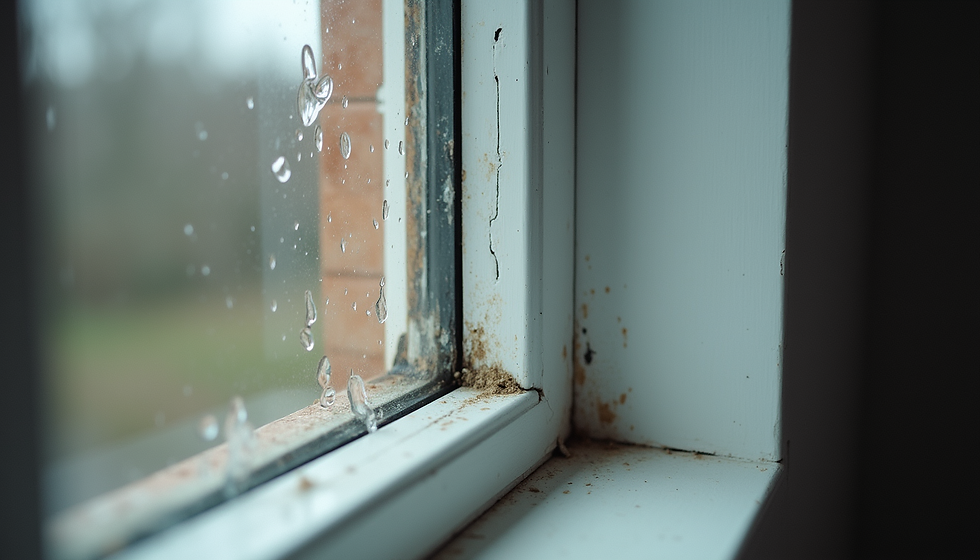
Windows and doors: Operation, seals, and frames
Interior finishes: Cabinets, countertops, flooring, and paint
Exterior features: Siding, gutters, driveways, and landscaping
Professional inspectors use checklists and tools to identify visible defects and potential hidden problems. They also document their findings with photos and detailed notes.
How to Prepare for the Inspection
To get the most from your 11 month warranty inspection, consider these tips:
Review your warranty documents to understand what is covered.
Make a list of any issues you have noticed during the year.
Be present during the inspection if possible, so you can ask questions and get explanations.
Keep all inspection reports and correspondence with your builder organized.
What Happens After the Inspection?
Once the inspection is complete, you will receive a report outlining all identified defects. You should submit this report to your builder promptly, requesting repairs under the warranty. Builders are usually required to respond within a set timeframe and complete repairs within a reasonable period.
If the builder disputes any claims, you may need to negotiate or seek advice from a home warranty expert or legal professional. Documenting everything carefully will support your case.
Real-Life Example
A homeowner in a newly built subdivision noticed minor cracks in the drywall and a slow leak under the kitchen sink during the first year. They scheduled an 11 month warranty inspection, which uncovered additional issues like a malfunctioning HVAC unit and improperly sealed windows. The builder repaired all defects at no cost, saving the homeowner thousands of dollars and preventing future damage.

Comments