
Why Sewer Line Inspections Should Be a Priority in Home Inspections
When buying or maintaining a home, many focus on visible features like the roof, foundation, or electrical systems. Yet, one critical area often overlooked is the sewer line. Sewer line problems can cause costly damage and disrupt daily life. That is why sewer line inspections must be a key part of any home inspection process. This post explains why sewer line inspections matter, what they involve, and how they protect your investment.
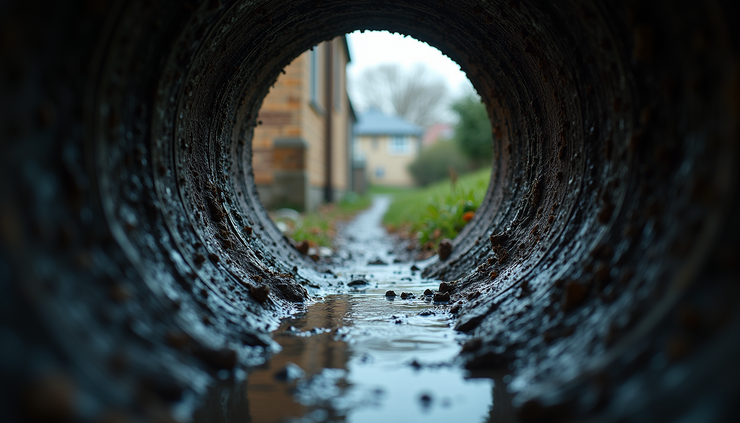
What Is a Sewer Line Inspection?
A sewer line inspection involves examining the underground pipes that carry wastewater away from a home. This inspection uses specialized cameras inserted into the pipes to check for cracks, blockages, tree root intrusion, corrosion, or other damage. Unlike visible parts of a home, sewer lines are hidden underground, making problems hard to detect without proper tools.
Professional inspectors use a small, waterproof camera attached to a flexible cable. They feed this camera through the sewer pipe to capture real-time video footage. This footage helps identify issues that could lead to leaks, backups, or costly repairs.
Why Sewer Line Inspections Are Essential
Prevent Costly Repairs
Sewer line repairs can be expensive, often costing thousands of dollars. If a problem goes unnoticed, it can worsen over time, leading to pipe collapse or sewage backups inside the home. Early detection through inspection allows homeowners to fix minor issues before they become major expenses.
For example, a small crack in a pipe might only require a simple patch or lining. If ignored, that crack could grow, causing a full pipe replacement that involves digging up the yard and disrupting landscaping.
Protect Health and Safety
Sewage leaks pose serious health risks. Raw sewage contains harmful bacteria and viruses that can contaminate soil and water. A damaged sewer line can cause foul odors, mold growth, and unsanitary conditions inside or around the home. Detecting problems early helps prevent exposure to these hazards.
Maintain Property Value
A home with a damaged sewer line can lose value or fail to sell. Buyers often request sewer inspections during the purchase process. A clean bill of health reassures buyers and can speed up the sale. Conversely, discovering sewer problems late can delay or derail a sale.
Avoid Unexpected Emergencies
Sewer backups often happen without warning, causing water damage and disrupting daily routines. Regular inspections reduce the risk of sudden emergencies by identifying vulnerabilities before they cause blockages or overflows.
When Should You Schedule a Sewer Line Inspection?
Before buying a home: A sewer inspection is a smart addition to the standard home inspection. It reveals hidden problems that might not show up in a visual inspection.
If your home is older than 20 years: Older pipes are more prone to damage from corrosion, shifting soil, or tree roots.
After heavy storms or flooding: Flooding can damage underground pipes or cause blockages.
If you notice warning signs: Slow drains, gurgling sounds, foul odors, or sewage backups are signals to get an inspection.
As part of routine maintenance: Even without symptoms, regular inspections every few years help catch issues early.
What Inspectors Look For During Sewer Line Inspections
Cracks and breaks: These allow sewage to leak out and roots or soil to enter.
Blockages: Caused by debris, grease buildup, or tree roots.
Corrosion or rust: Common in older metal pipes.
Misaligned or collapsed pipes: Due to shifting soil or poor installation.
Bellied pipes: Sections where the pipe sags, trapping waste.
Tree root intrusion: Roots can penetrate joints and cause blockages or breaks.
How to Prepare for a Sewer Line Inspection
Clear access points: Make sure cleanouts or sewer access points are accessible.
Provide property history: Share any past sewer problems or repairs with the inspector.
Note symptoms: Inform the inspector about any slow drains, odors, or backups.
Schedule during dry weather: Inspections are easier when the ground is dry.
What Happens After the Inspection?
The inspector provides a detailed report with video footage and findings. If problems are found, they will recommend repairs or further evaluation. Homeowners can use this information to negotiate repairs before buying or plan maintenance.
Real-Life Example
A family bought a charming older home without a sewer inspection. Within months, they experienced frequent backups and foul smells. A costly emergency repair revealed a collapsed sewer pipe under the driveway. Had they done a sewer line inspection before buying, they could have avoided thousands in unexpected repairs.
Final Thoughts
Sewer line inspections are a crucial but often overlooked part of home inspections. They protect your home from costly damage, health risks, and unexpected emergencies. Whether you are buying a home or maintaining one, prioritizing sewer line inspections helps safeguard your investment and peace of mind.

Comments